Eye health
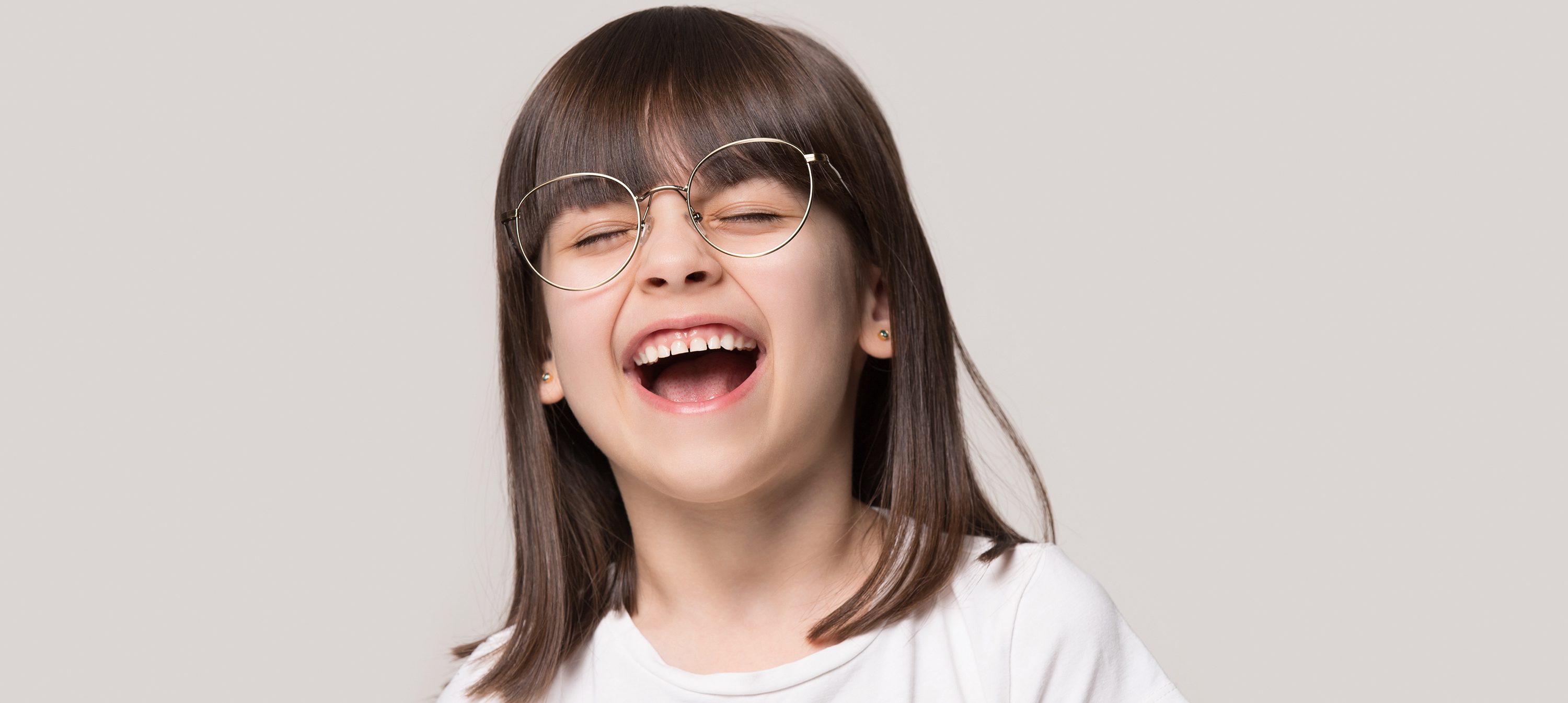
Receive a $300 Rebate for Your Children’s Glasses and Lenses
Launched on September 1, 2019, the program provides financial assistance to help families cover the cost of prescription glasses or contact lenses for their children.
Eye health
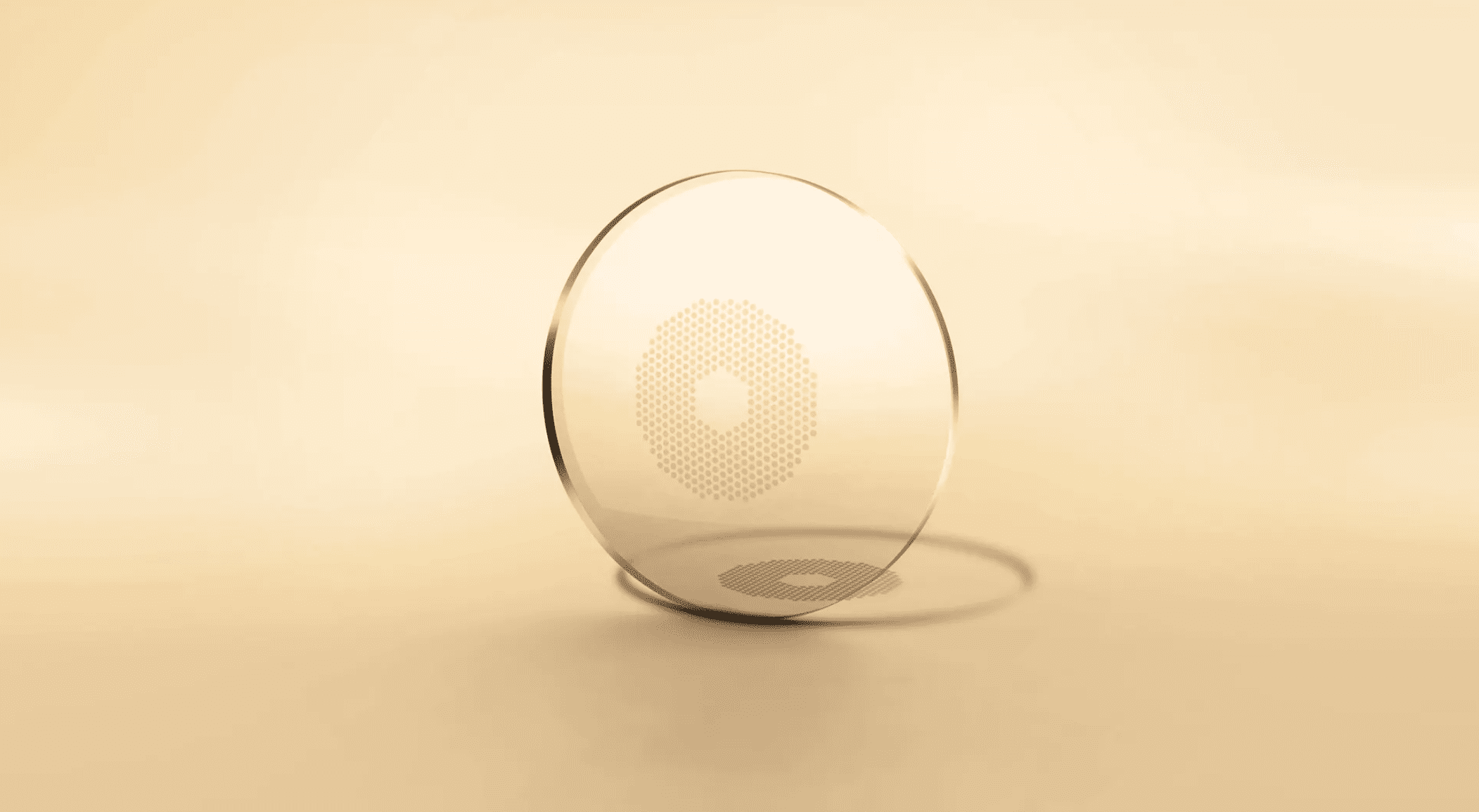
Childhood myopia: recognized treatments in 2025 (low-dose atropine, defocus lenses, specialized contact lenses)
Eye health
The good news: today there are recognized treatments to slow down the progression of myopia. Since the 2000s, several studies have confirmed the effectiveness of three main approaches: low-dose atropine, defocus spectacle lenses (such as MiYOSMART, launched in 2014), and specialized contact lenses. All optometrists at VU can support your child in controlling the progression of their myopia with these three proven solutions.
Myopia usually appears between the ages of 4 and 12. It progresses during childhood and adolescence, then tends to stabilize in adulthood.
Three main factors influence this progression, in order of importance:
Prolonged near work, especially time spent on screens or reading, particularly when the child holds their devices or books at a very short distance.
Lack of exposure to natural light, as children spend less time outdoors than they used to. Regular outdoor play is now recognized as a protective factor against myopia.
Genetics, which plays a significant role: having one myopic parent doubles the risk of developing myopia, while having two myopic parents multiplies this risk by four. In addition, certain ethnic groups — particularly populations of Asian origin — have a higher predisposition to myopia.
This is why an eye exam starting in the preschool years (around age 3) is essential to quickly detect any signs of myopia or other visual disorders.
Reminder: in Quebec, eye exams for children under 18 are fully covered by the RAMQ.
Here is a clear summary of the most recent findings:
| Treatment | Mechanism | Impact on progression (average observed) | Recommendations |
|---|---|---|---|
| Low-dose atropine (0.01% to 0.05%) | Relaxes accommodation + slows axial elongation | 40 to 60% reduction | Particularly effective in children aged 5–12 |
| Defocus spectacle lenses (e.g., MiYOSMART) | Create a “myopic defocus zone” around the center of vision | About 60% reduction | Very well tolerated and very easy to use |
| Specialized myopia control contact lenses | Comparable effect to defocus lenses, but in a contact lens form | 50 to 60% reduction | Excellent option for motivated or sporty children |
At VU, we use the Haag-Streit Lenstar, a high-precision biometric instrument that measures the total axial length of the eye.
This is the most reliable method to monitor the progression of myopia, because relying only on symptoms or on refraction (the optical correction measured) can sometimes give a misleading impression of stability or progression.
During your visit, feel free to ask your optometrist how your child’s myopia is being monitored. Precise control of axial length offers a much more objective and rigorous assessment, and it is essential for optimal treatment.
MiYOSMART defocus spectacle lenses
Specialized contact lenses for myopia control
Low-dose atropine as a complement in certain cases
Goal: simplicity + acceptance
| Preferred solution | Why |
|---|---|
| Defocus lenses (MiYOSMART) | Very good effectiveness, natural wear, comfortable, easy day-to-day |
| Low-dose atropine | To consider if myopia is progressing quickly |
| Contact lenses | Rare at this age, unless the child is already used to them and well supervised |
Goal: balance between effectiveness and autonomy
| Preferred solution | Why |
|---|---|
| MiYOSMART | Remains the foundation of treatment |
| Specialized contact lenses | Ideal for active children / sports / motivated wearers |
| Low-dose atropine | Added if progression is rapid |
Goal: autonomy + long-term adherence
| Preferred solution | Why |
|---|---|
| Specialized contact lenses | Visual comfort + aesthetics + autonomy |
| MiYOSMART | Alternative if contact lenses are not desired |
| Low-dose atropine | Depending on how the myopia is progressing |
Aim for at least 90 minutes per day outdoors
Minimum reading distance: roughly the length of the forearm
Limit continuous near screen time
Apply the 20-20-20 rule: every 20 minutes, look at something 20 feet away for 20 seconds
Childhood myopia should be actively monitored and treated, not just corrected.
Thanks to MiYOSMART defocus lenses, specialized contact lenses and low-dose atropine, it is now possible to significantly slow down progression and protect your child’s long-term vision.
An eye exam makes it possible to precisely measure progression and establish a personalized plan.
You can schedule an eye exam for your child (covered by RAMQ) or a dedicated appointment to discuss treatment options.
Eye health
Launched on September 1, 2019, the program provides financial assistance to help families cover the cost of prescription glasses or contact lenses for their children.
Eyewear
We believe this fascinating process deserves attention. High-quality glasses go beyond just correcting vision—they also represent an investment in comfort, style, and durability.
FAQ
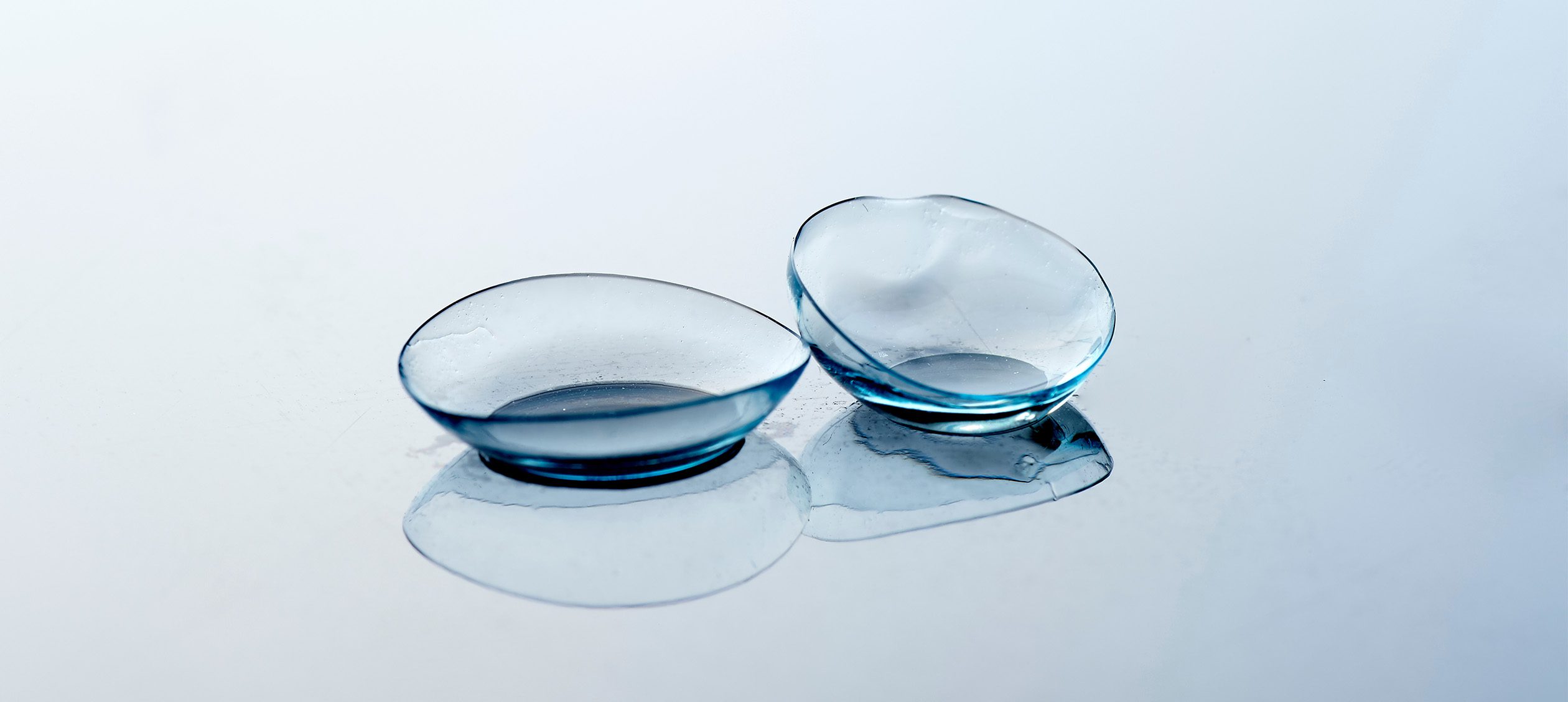
When you suffer from vision problems, it is necessary to go to an optometrist to have your eyes checked. You will then have the choice between wearing glasses or contact lenses. What to choose between these two solutions?